
Almexa's plant in Cuautitlán Izcalli
This is where Almexa's aluminum is melted, cast and rolled: an integrated plant with 20,000 metric tons per year of installed capacity, about 25 miles from downtown Mexico City.
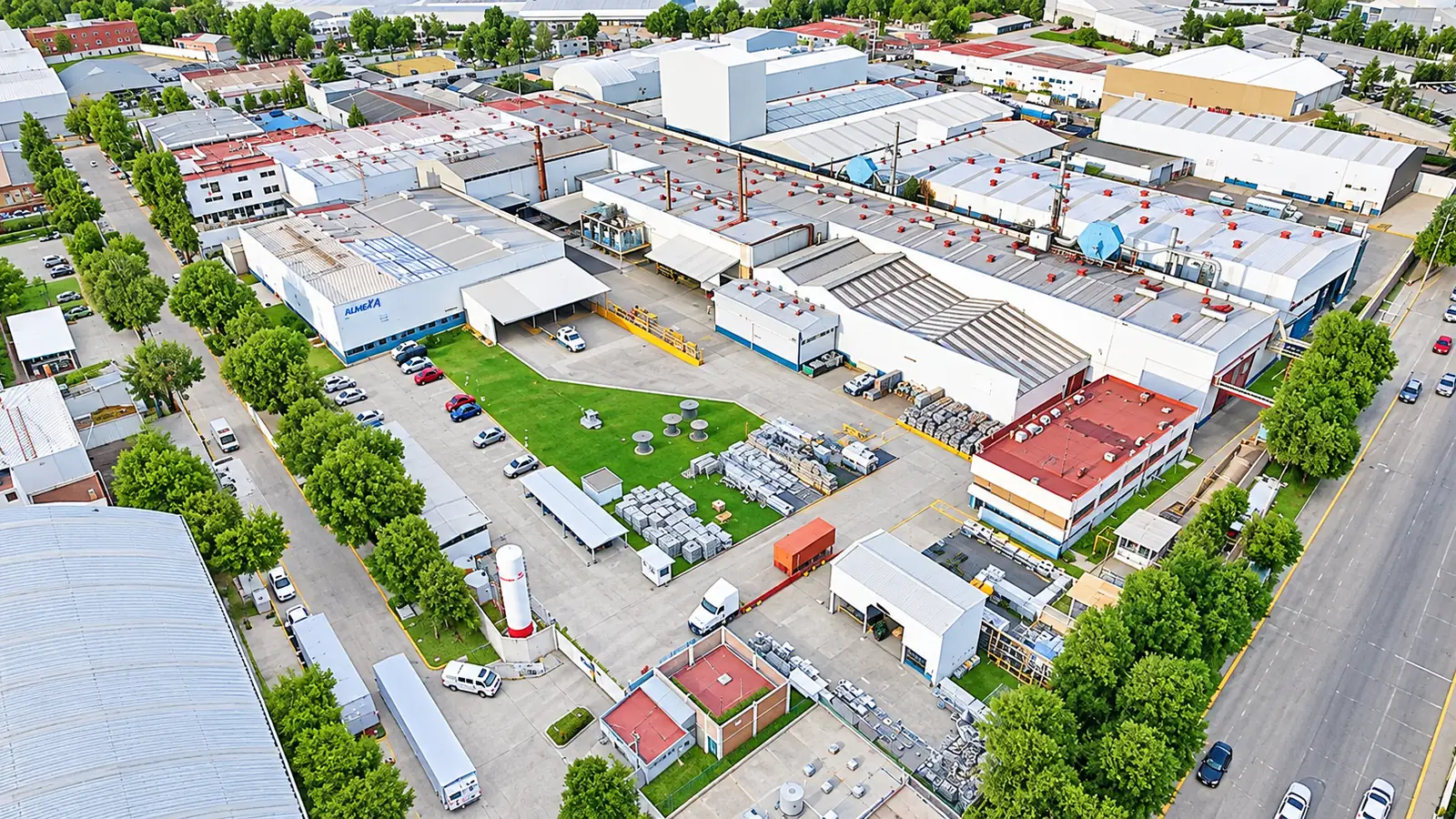
A walk through the plant, stage by stage
These are the machines your material goes through, in the order it goes through them. Every photo was taken at the Cuautitlán Izcalli plant.
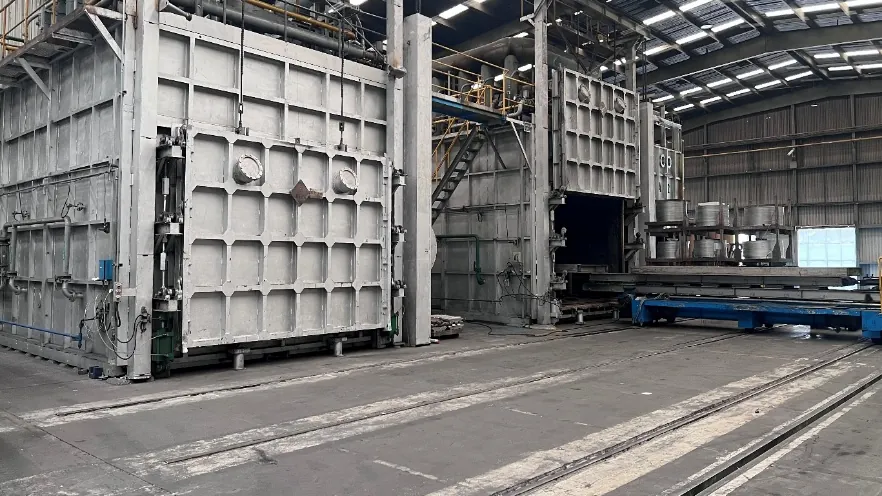
-
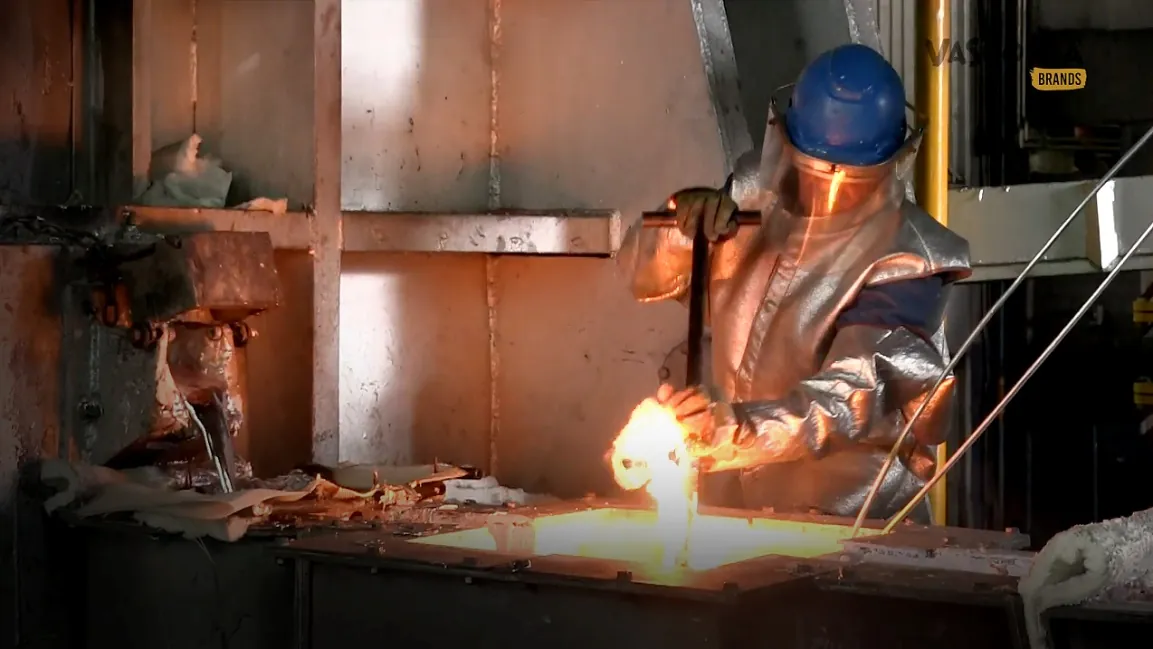
Melting
Ingot and selected scrap are melted in tilting reverberatory furnaces, where the chemistry of each alloy is adjusted before casting.
3 furnaces of 24 t and 1 of 34 t
-
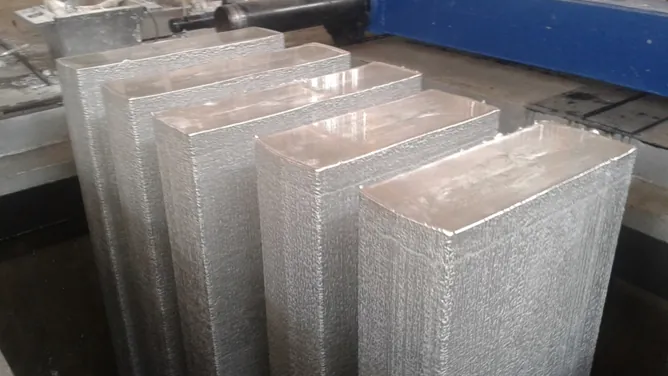
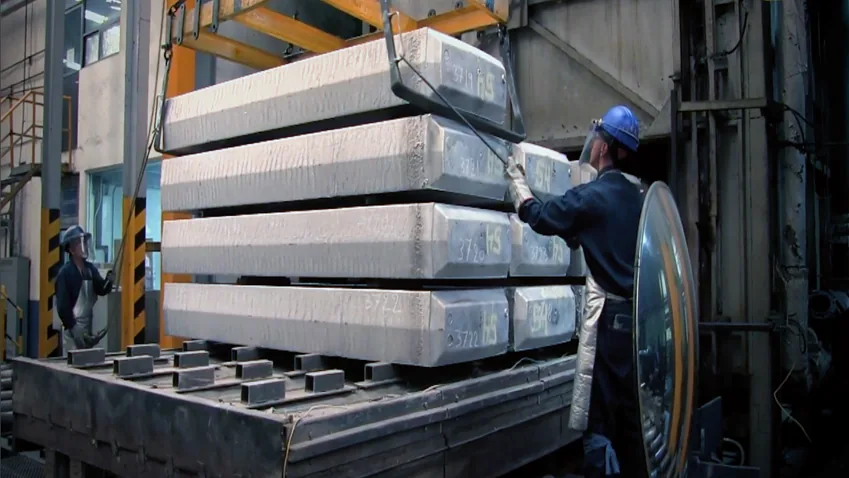
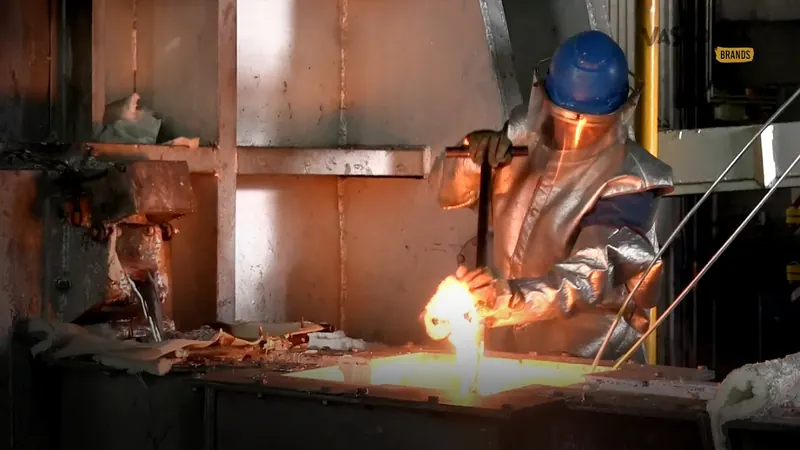
Direct-chill (DC) casting
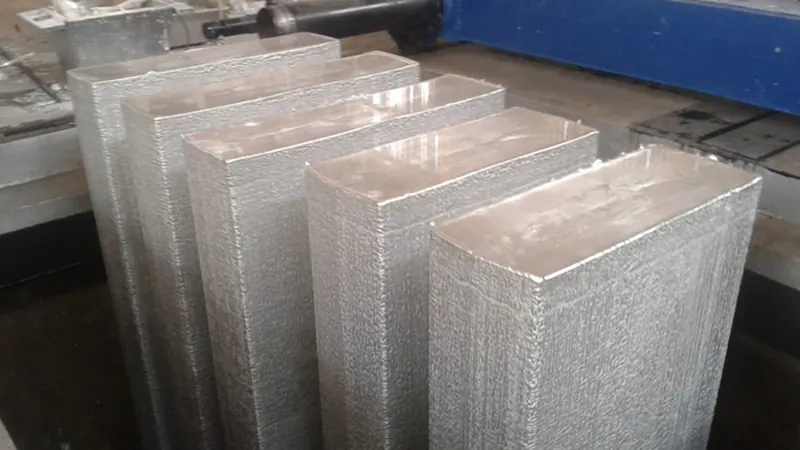
Liquid metal solidifies into slabs in two casting pits: one casts three slabs per drop and the other five.
14.6 × 118 in slab (370 × 3,000 mm); widths from 780 to 1,250 mm
-
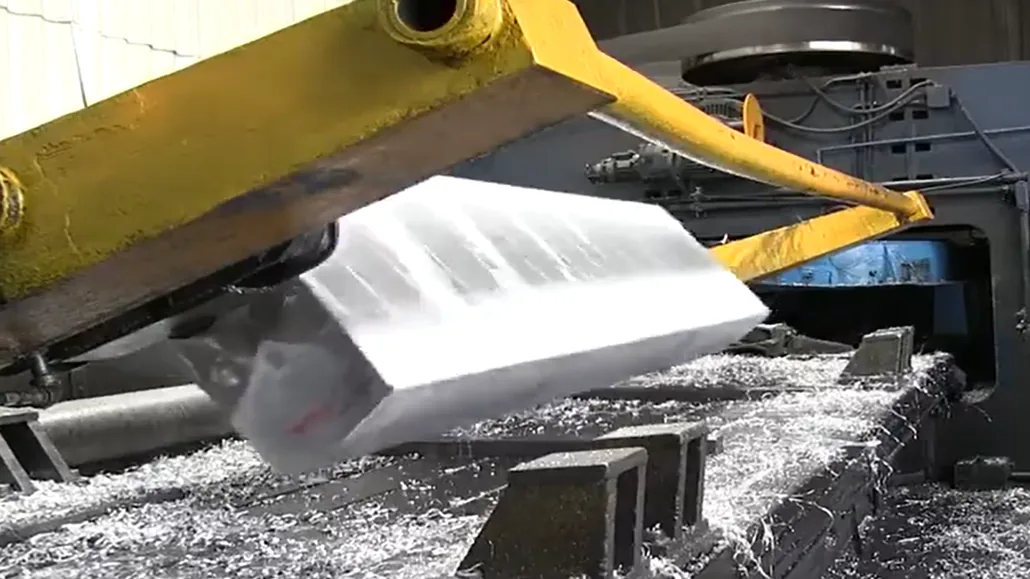
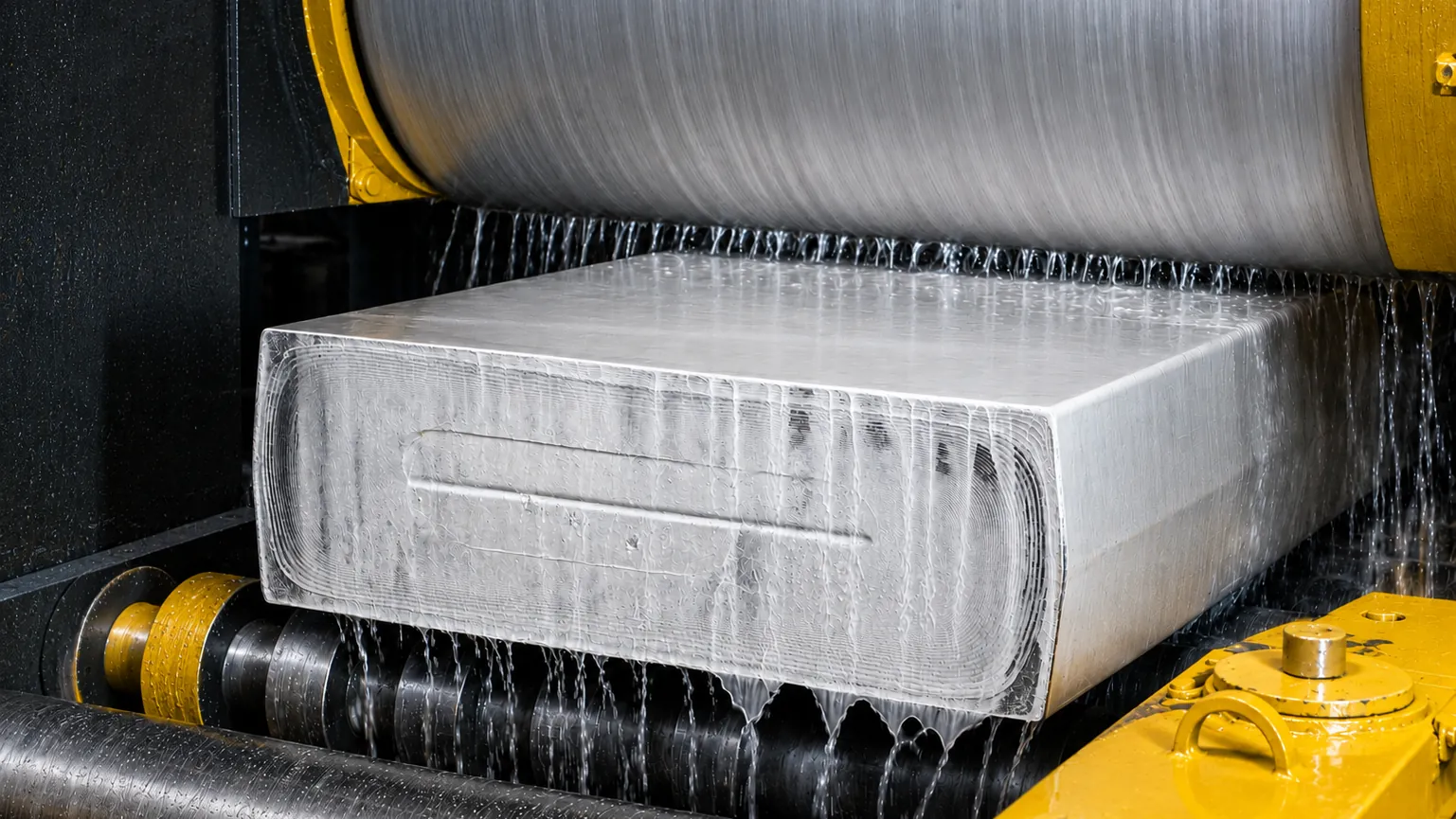
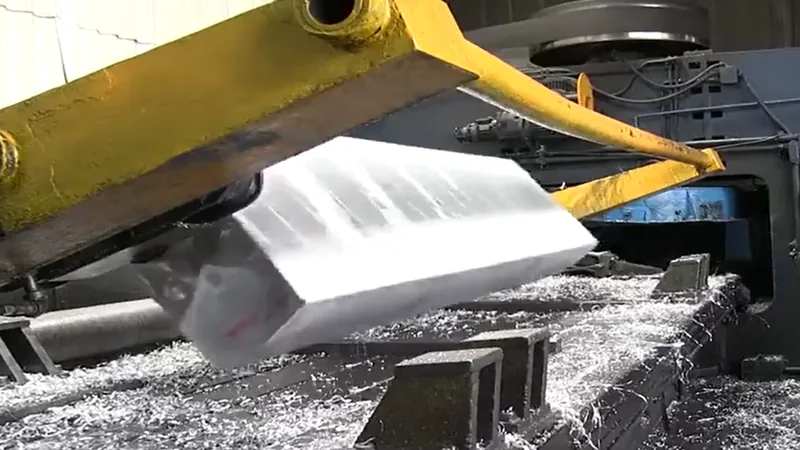
Scalping
The slab surface is machined off to remove the defects and normal segregation left by solidification, so the final sheet starts clean.
Before any rolling
-
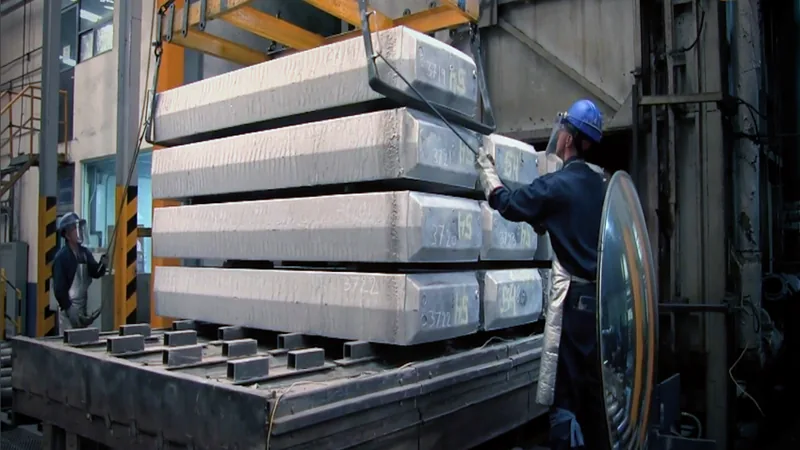
Preheating and homogenizing
Depending on the alloy, the slab is preheated or homogenized so its structure is uniform before rolling.
4 furnaces of 34 t
-
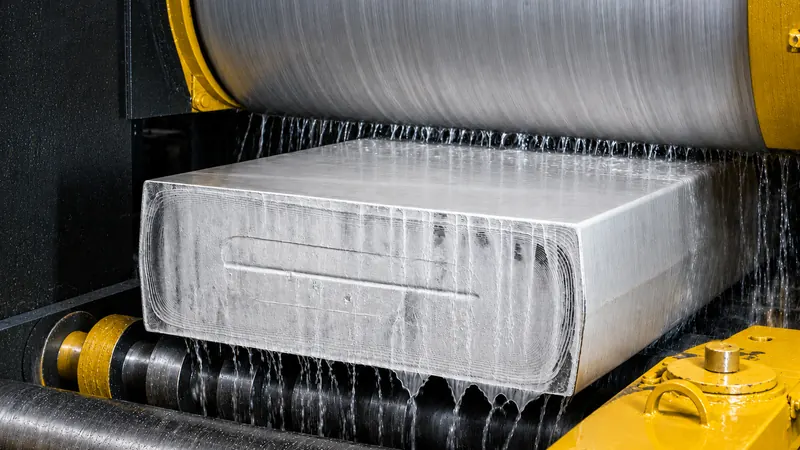
Hot rolling
A reversing two-high mill reduces the slab over several passes into hot band. We also sell that band to re-rollers.
48 in wide · exit 0.24 to 0.47 in (6 to 12 mm) · 2 × 441 kW motors
-
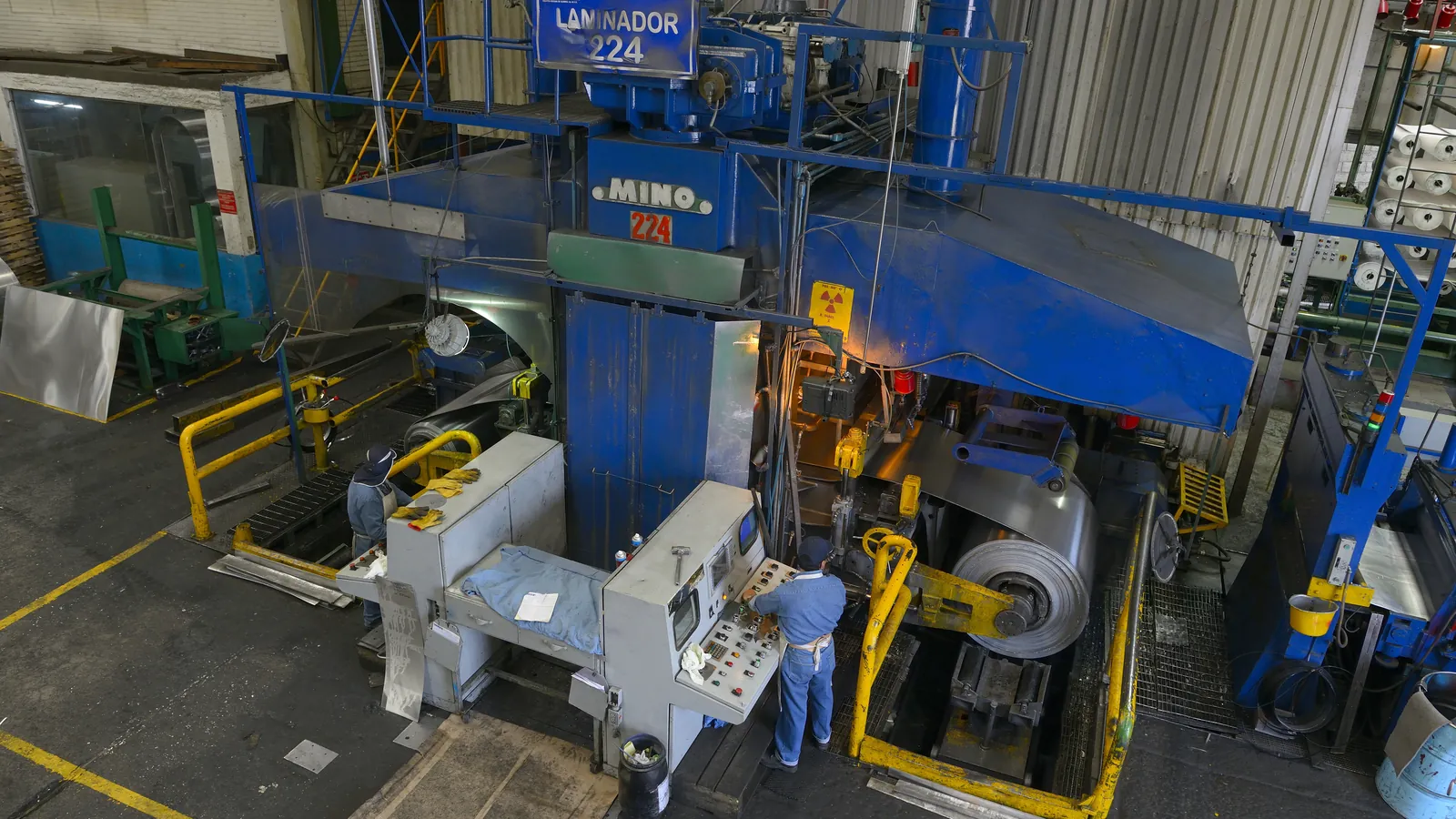
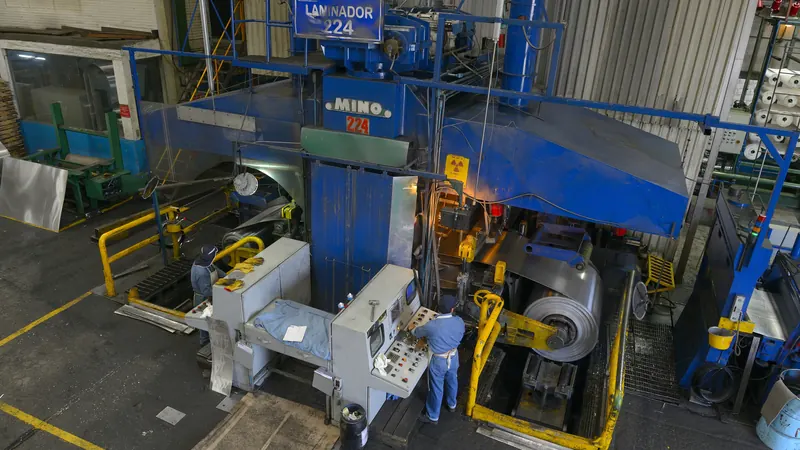
Cold rolling
Four-high mills take the band from 12 mm down to final gauge, at 48 or 36 in wide depending on the line.
From 0.47 in to 0.0177 in (12 to 0.45 mm)
-
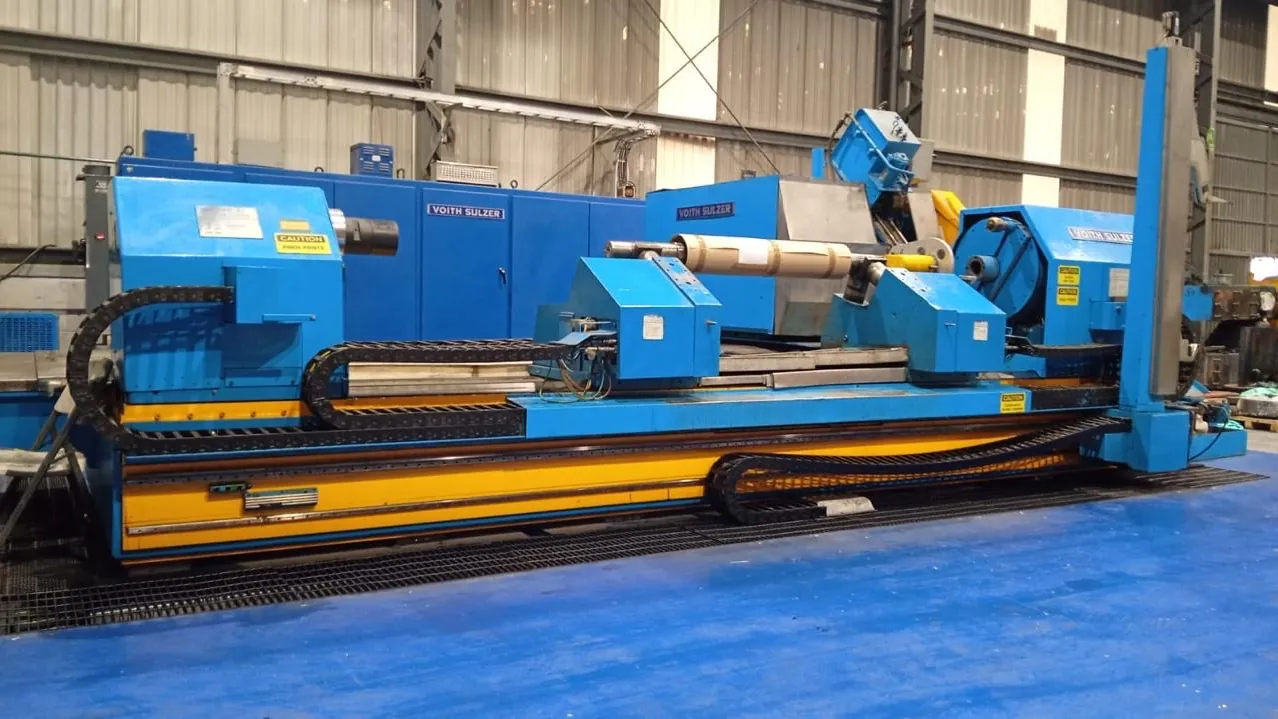
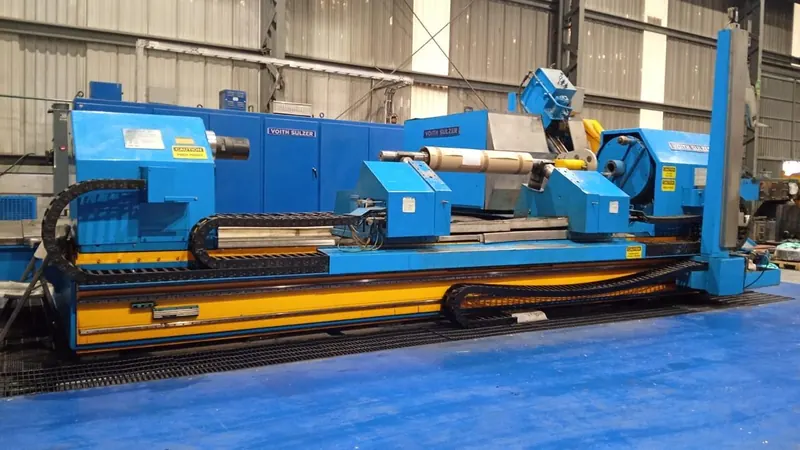
Roll grinding
We grind work rolls and backup rolls in house. The roll surface becomes your sheet surface.
Work and backup rolls
-
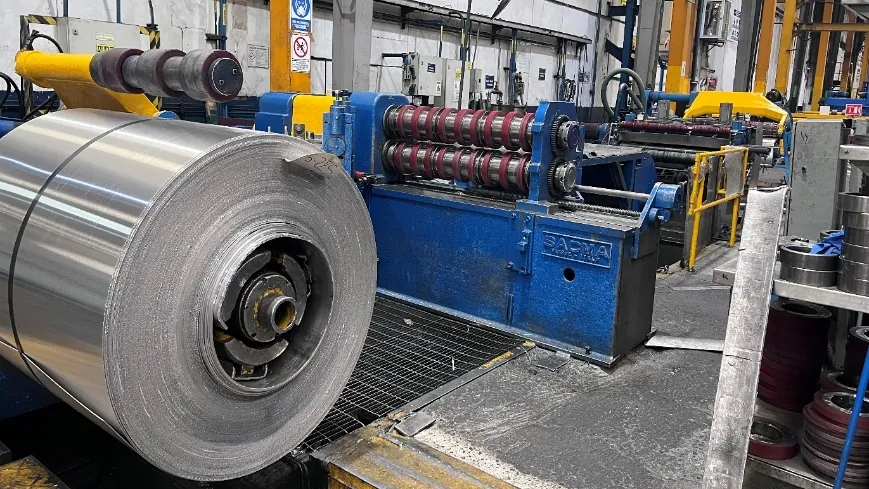
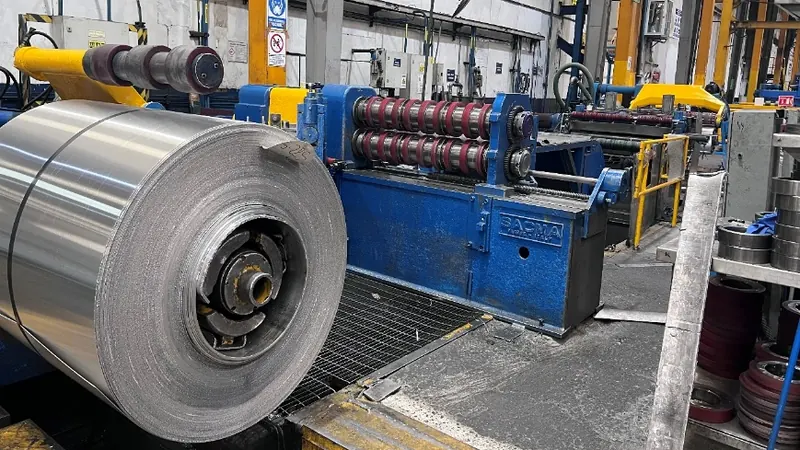
Slitting
The coil is slit to your final width or to the width that feeds the next process: leveling, sheet or circles.
Up to 48 in · 0.0177 to 0.1575 in (0.45 to 4.0 mm)
-
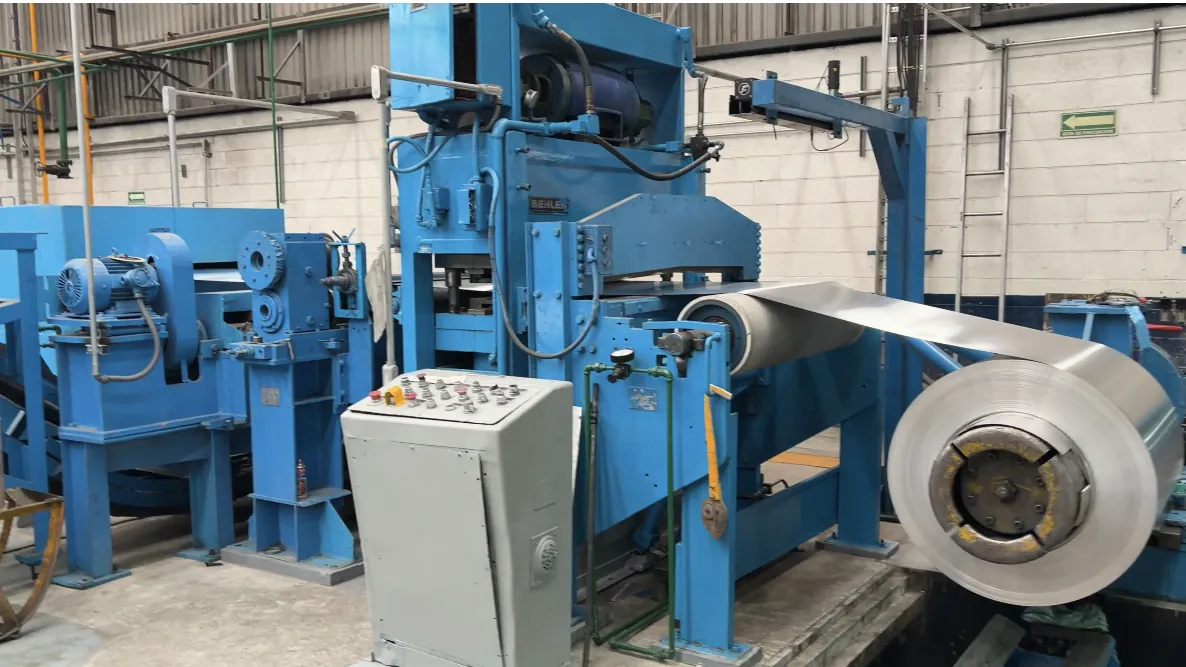
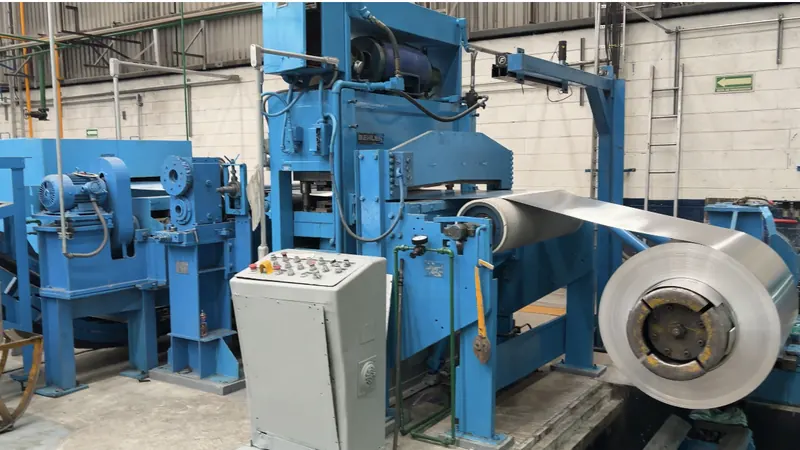
Tension leveling
Tension leveling improves flatness. The new tension leveler, now being installed, adds a degreasing and cleaning station so the sheet leaves free of oil and rolling dust.
Flatness · degreasing with the new line
-
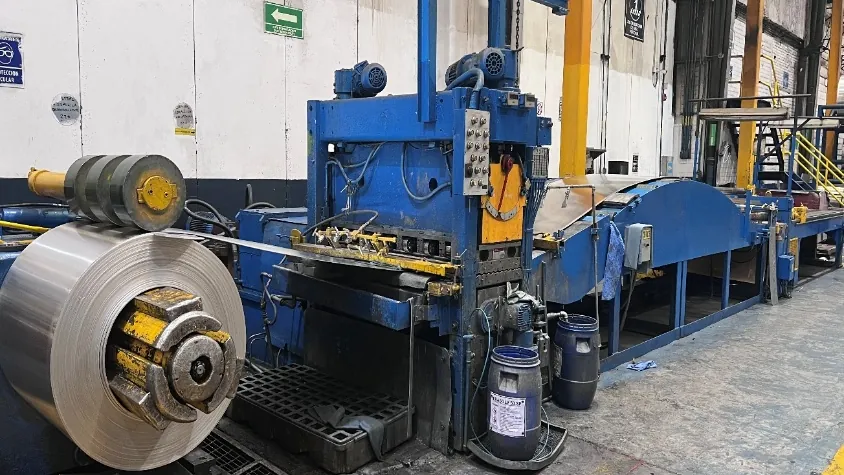
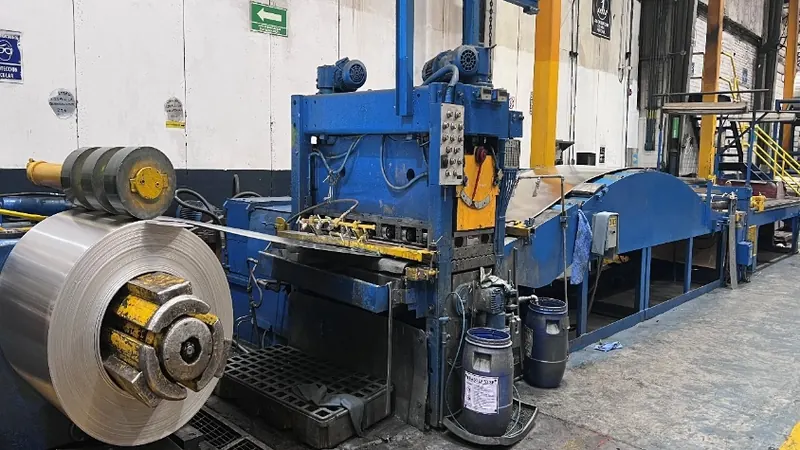
Cut to length
Coil becomes sheet cut to size and squares for circle blanking.
Up to 48 in wide
-
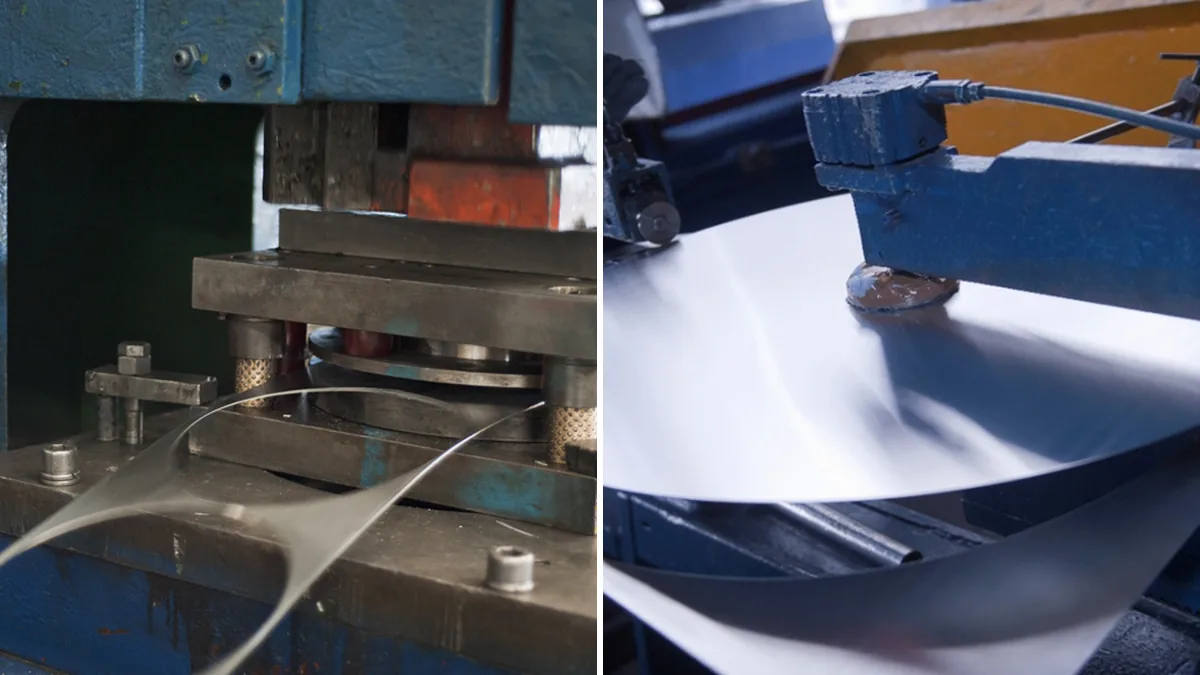
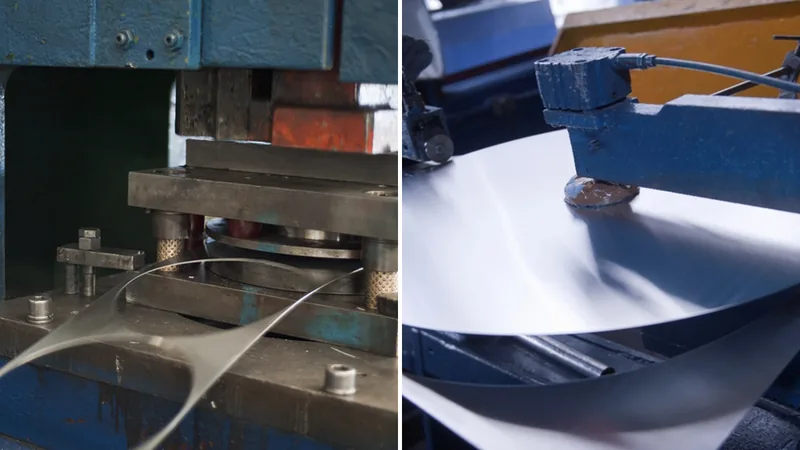
Circle and blank cutting
Mechanical and hydraulic presses and circle shears cut the circles and shapes your die needs.
50 to 100 t presses
-
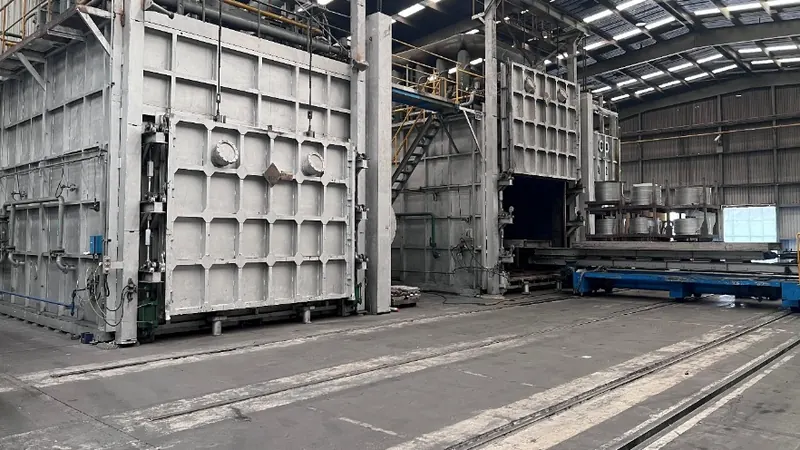
Annealing
Annealing furnaces set the temper your process needs, from O to H2X, and relieve stresses.
About 13 t per batch
-
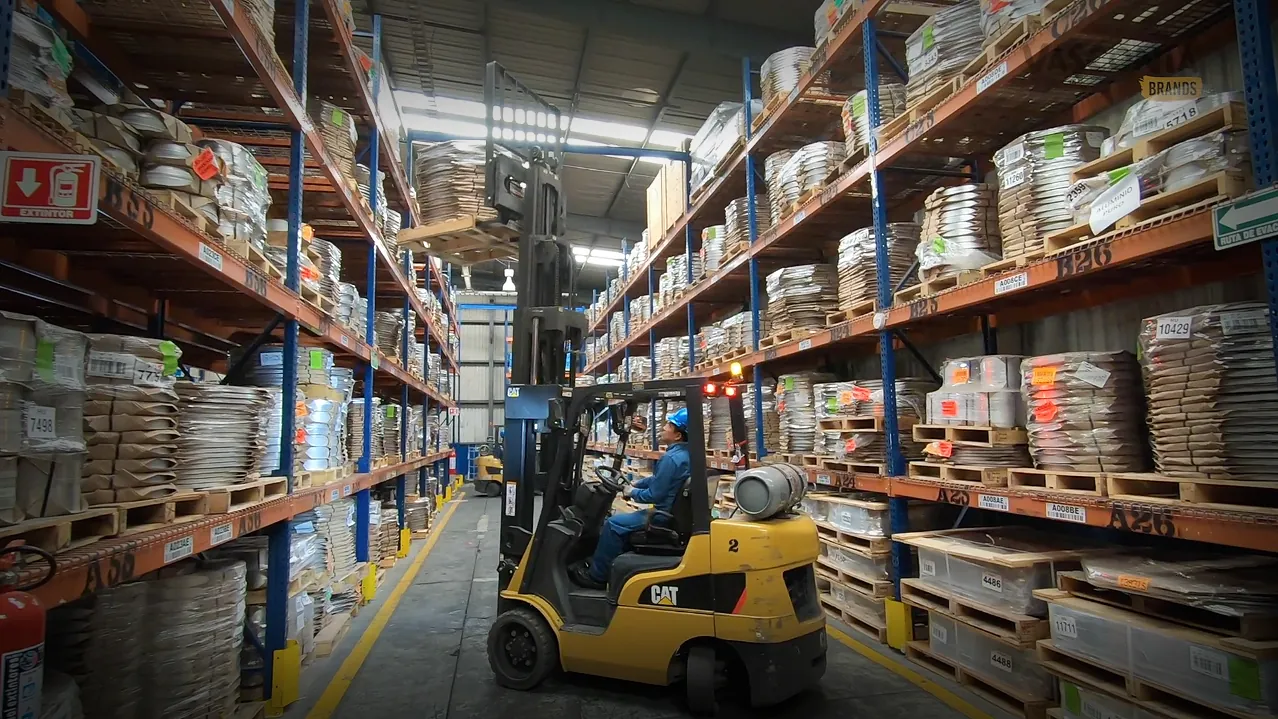
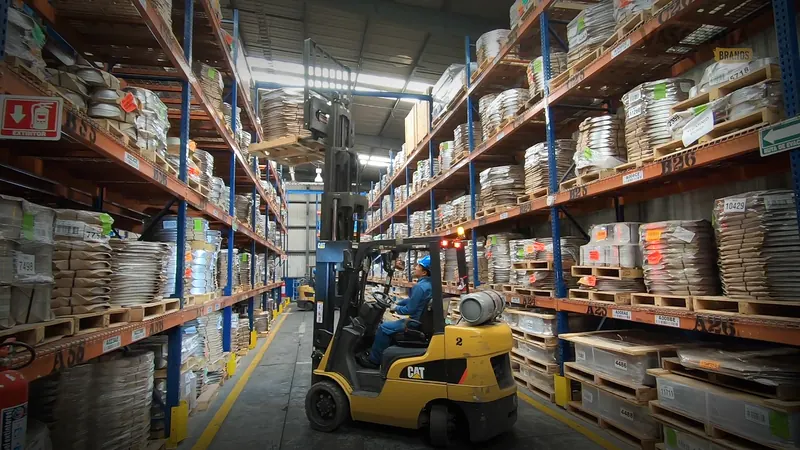
Finished goods warehouse
Finished material is stored and identified by lot until it ships.
500+ positions · up to 700 t
- Installed capacity
- 20,000 t/year
- Casting
- Direct chill (DC)
- Rolling mills
- 1 hot · 3 cold
- Site area
- 34,650 m²
- Built-up area
- 16,230 m²
- Phone
- +52 55 1165 8500
Address: Benjamín Franklin 9, Parque Industrial La Joya, 54730 Cuautitlán Izcalli, State of Mexico.
Process and equipment
| Stage | Equipment |
|---|---|
| Melting | 4 melting furnaces |
| Casting | 2 direct-chill (DC) semi-continuous casting pits for slab |
| Homogenizing | 4 homogenizing furnaces |
| Hot rolling | 1 hot mill; the hot band, about 0.31 in (8 mm) thick, also comes off here |
| Cold rolling | 3 cold mills |
| Annealing | 4 annealing furnaces |
| Cutting | 3 slitting lines, 2 cut-to-length lines, 1 tension leveler and 6 coil shears |
| Conversion | 10 stamping presses for circles and blanks |
What we are installing
A tension leveler, a new slitting line, a sheet cutting line, a controlled-atmosphere annealing furnace, a roll grinder and an additional cold mill. With this equipment the minimum gauge will drop from 0.0177 in (0.45 mm) to 0.0118 in (0.3 mm) by the end of 2027.
Why direct-chill casting
In direct-chill (DC) casting, liquid metal solidifies into slabs 14.6 in (370 mm) thick that are homogenized and hot rolled. It is the process large mills use, and it gives more uniform mechanical properties than continuous casting, where the metal comes out as thin strip and goes straight to cold rolling.
Visits and audits
Automotive suppliers and cookware manufacturers usually audit the plant before approval. Visits are scheduled with your sales executive; the plant is about 25 miles from downtown Mexico City and 40 minutes from the international airport.
Frequently asked questions
Where is Almexa's plant?
At Benjamín Franklin 9, Parque Industrial La Joya, Cuautitlán Izcalli, State of Mexico, about 25 miles from downtown Mexico City.
What is Almexa's production capacity?
20,000 metric tons per year of installed capacity at the Cuautitlán Izcalli plant, per Almexa's September 2026 fact sheet.
What is the difference between direct-chill and continuous casting?
Direct-chill casting produces thick slabs that are hot rolled and gives more uniform mechanical properties; continuous casting produces thin strip that goes straight to cold rolling. Almexa uses direct-chill casting.